
Over time, your HVAC system may produce some less than desirable results. Here are some common HVAC problems to watch out for.
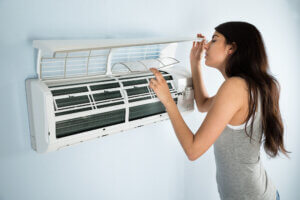 During the heat of summer and the chill of winter, your HVAC system is one of the most important features in your home. If it isn’t working properly, the extreme temperatures can cause discomfort to members of your household and further problems in your home.
It’s crucial for homeowners to be able to identify HVAC problems in their homes and learn how to handle them when they occur. Read on to discover five of the most common HVAC problems and how to avoid them.
5 Common HVAC Problems
1. Dirty Air Filters
Dirty air filters can cause several HVAC problems. A dirty filter can cause your system to run less efficiently by reducing airflow. This leads to higher electricity bills because your system must work harder to heat or cool the space.
Dirty filters also decrease the air quality in your home. They can lead to bacteria and mold growth, which can trigger allergies for the people living in your home. They can also trigger asthma or cause infections.
How to Avoid Dirty Air Filters
To avoid the problems caused by dirty air filters, you must change them often. Many professionals recommend changing air filters every three months, but more regular changes in the summer will keep your system running smoothly.
If you live in a warmer climate and your air conditioning runs often, you’ll need to change your filters more often.
2. Refrigerant Leaks
Refrigerant is a fluid found inside your AC coils. This fluid helps your air conditioning absorb indoor heat and is one of the most important components in your system.
Leaky HVAC systems can lead to low refrigerant levels that result in hot air blowing from your vents. This is one of the most common summer HVAC problems and it can affect your system’s efficiency.
How to Avoid Refrigerant Leaks
The best way to avoid refrigerant leaks is to call in a professional annually for HVAC maintenance. If they discover low refrigerant levels, they will look for the source of the leak to seal the problem area before adding more to your system.
If you suspect a refrigerant leak in your system before your yearly tune-up, call a professional right away for repairs.
3. Clogged Drainage Lines
Units have a drainage line that allows water to leave the system. These lines help keep balanced levels of humidity throughout your home.
Clogged drainage lines can wreak havoc on your system by causing standing water. Standing water in your cooling unit leads to mold, fungi, mildew and bacteria growth.
This growth of mold or bacteria in your system causes unpleasant smells in your home and the build-up may cause water to backflow into your unit. This backflow has the potential to damage other components.
How to Avoid Clogged Drainage Lines
You can identify clogged drainage lines by water leaks in your compressor unit. If you suspect this is a problem, call a professional HVAC repair professional to remedy the clog.
4. Odd Noises
If either your air conditioner unit or your furnace is making strange noises, it is an indicator that something may be wrong.
Furnaces will knock, screech, or rattle if something is awry. Any of these noises may indicate a mechanical problem that could require a cleaning or motor replacement to resolve.
Air conditioning units will rattle, click, or buzz if there is something wrong. If you are hearing something other than the usual humming sound, something in the unit may be loose or may be having electrical issues.
Pay attention to the type of odd noise you are hearing from your unit, as it will help your HVAC professional pinpoint the source of the problem.
How to Avoid Odd Noises
Be aware of any unusual sounds coming from your HVAC unit because they often indicate a greater issue. It is vital to catch the problem early on and call in a professional for service at the first sign of trouble.
5. Failing Capacitors
Another common summer HVAC problem is failing capacitors. A capacitor’s function is to store energy before transferring it to the compressor.
This issue often happens during the hottest time of the year and will cause your air conditioning to start up and fail. This occurs because the capacitor can no longer hold a charge. When this happens, you will hear a clicking sound.
How to Avoid Failing Capacitors
Regular maintenance on your unit is the best way to avoid capacitor issues. A professional will identify capacitors that aren’t working as they should and will either repair or replace them.
Routine Maintenance is Key
Routine maintenance on your HVAC unit is the best way to prevent serious problems down the road. You can perform regular maintenance on your own by checking or changing your filters, making sure your vents are uncovered, cleaning your condenser, and inspecting for leaks.
Call in a professional for HVAC service once a year to ensure everything is running properly. This prevents unexpected issues from cropping up and is a great way to catch problems before they get out of hand.
Learn more about important HVAC maintenance for your home.
HVAC Problems Don’t Have to Be a Hassle
If you ignore HVAC problems, they can become a bigger issue. Routine maintenance and prevention can help minor issues from becoming major hassles.
Know which issues to look out for and when to call in professional help. With Eyman Plumbing, Heating, and Air, you will always be in expert hands.
Check out our HVAC maintenance plan to keep your system running in tip-top shape! For more information, call your Omaha HVAC experts at: (402) 731-2727.