
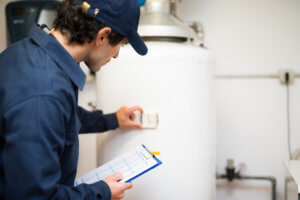
 Are you trying to figure out the best way to go about cleaning your water heater valve?
Not many homeowners pay attention to the importance of regular water heater maintenance. However, if you don’t pay attention to your water heater, you could have major problems. By practicing regular maintenance on your water heater, you can ensure that your appliance is working properly.
That’s why we’ve created this guide to give you a thorough understanding of how to test your water heater valve. Read on to learn more!
What Is A Water Heater Valve?
A water heater valve, also commonly referred to as a water heater pressure relief valve, works on a water heater tank. The water heater valve’s only purpose is to relieve all of the extra pressure that builds up in your water heater.
By reducing the extra pressure that’s built up in your water heater, the water heater valve prevents the water heater from exploding. And that means your home will be protected from any potential flood caused by your water heater.
The water heater valve protects your family from any injuries that might result from a water heater explosion.
Why Does Extra Pressure Build-Up in A Water Heater?
Pressure develops in the water heater because water expands while it’s heating up in the tank. This causes steam to develop and build up. The hotter the water gets inside the tank, the more steam builds up.
While there’s a little bit of steam that escapes into the pipes that are connected to your water heater, not all of the steam buildup escapes. When the steam levels get too high, the water heater valve works to reduce the amount of steam inside the water heater.
A water heater valve works by releasing some of the steam, air, and even a little bit of the hot water found inside the tank. The water heater valve will continue to stay open until the pressure levels inside the tank are safe again.
How Do You Test a Water Heater Valve?
Testing your water heater valve on a regular basis is one of the most important steps you can take to make sure that your family is safe. Thankfully, it’s pretty easy to do by yourself, even if you don’t have any plumbing experience.
Here we go over the steps to take to test your water heater valve:
1. Identify Where Your Water Heater Valve Is
First, you need to figure out where it’s located. On most hot water heaters, you can find the water heater valve on the side of the water heater or on the top of it.
Also, there’s going to be a drainage pipe that’s connected to a drain located near your water heater. The purpose of this drain is to ensure all of the water has a place to drain when the valve does open up.
2. Take off the Drain Pipe
Next, you’ll want to remove the drain pipe from the water heater valve. You should use a wrench for this step. Also, make sure that you’ve got a bowl or a bucket underneath the pipe to collect all the water that comes out.
3. Lift Up the Pressure Lever
After you take off the drainpipe, you’ll need to lift up the pressure lever. But, you’ll need to be careful not to completely lift this lever up. If you do, the pressure lever will completely lock and your entire water heater will drain out.
Next, you’ll want to make sure you’re only lifting it enough to cause a little bit of steam to release from the water heater tank. While doing this, make sure that you’re getting a good amount of water flowing into the bucket that’s underneath.
Be sure there isn’t any debris caught in the water heater valve. Before closing the water heater valve, make sure there isn’t anything in the way that could cause the water heater valve to seal improperly.
What If the Water Heater Valve Is Defective?
If you notice that there isn’t any water coming out of the water heater valve while you’re testing it, it’s time for you to get a new water heater valve. Also, if you find that you can’t completely reset the level when you slightly pull it out, you’ll need to replace it.
This means you’ll want to replace the water heater valve if you find that there’s water slowly leaking from the valve before you even test it out. You also want to replace the water heater valve if you find find that it’s covered in debris or minerals.
Finally, if you notice that your water heater valve is older than the warranty on your water heater, you should replace the valve.
Understanding How to Test Your Water Heater Valve
By learning how to regularly test your water heater valve, you can get a better idea of how to properly perform regular maintenance on your water heater. Plus, it’ll give you an idea of what to look out for in case your water heater valve is going bad.
Need the help of a professional plumber in Omaha to determine whether your water heater valve is bad? We’re here to help. Call us at (402) 731-2727 today!