
Plumbing and drainage problems are common when you put certain things down the drain. Here are the things you need to avoid putting in your drains.
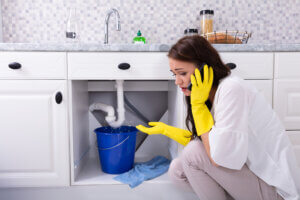 Plumbing problems are one of the worst and most costly issues a homeowner can encounter. You never realize how much you need running water until you don’t have any.
There are lots of reasons why you may have issues with your plumbing. Old pipes corrode, the sump pump needs replacing, and faucets leak. One of the most common causes of drainage is clogged pipes.
People inadvertently put all sorts of objects down the drain and think nothing of it. But a clog can happen from a single object or through the accumulation of objects. Even if you have a garbage disposal, you need to be careful of what goes down the drain.
Here is a list of things you shouldn’t put down your drain
20 Things You Should Never Put Down the Drain
1. Pasta
Just because your sink has a garbage disposal, it doesn’t mean that all foods can go in it. Many kinds of pasta contain semolina, which continues to swell once it goes down the sink. This can lead to drain blockage.
Organic pasta does not contain semolina, however, and is safe to go down the drain.
2. Flushable Cat Litter
Despite the name, this is not an accurate description. Even cat litter branded as “flushable” has been known to clog drains. This can lead to problems with your septic system.
3. Uncooked Rice
If you have to throw out uncooked rice, toss it into the trash.
Uncooked rice absorbs water and expands. Then, it clumps together, which can block your pipes and may require professional drain cleaning.
4. Eggshells
Most sink drains aren’t large enough to admit eggshells, and you shouldn’t try to force them down either. If you do get eggshells into your drain somehow, they can cause clogs. The hard, pointed edges of the shell can also catch other objects and result in a blockage.
5. Grease, Fats, and Oils
Any of these slimy substances can mix with other objects and create fatbergs. These gelatinous deposits can grow to cause clogged pipes. Grease from meat, gravy, ice cream, cheese, meat fats, and condiments all fall into one of these three categories.
6. Coffee Grounds
As fine as they are, coffee grounds can cause plumbing problems if they end up down the sink. Before you rinse out your coffee cup, dispose of the grounds in the trash. Alternatively, coffee grounds are also great for composting.
7. Produce Stickers
It’s never a good idea to put non-organic materials in your sink. The adhesive on the stickers can cause them to stick to the inside of pipes. If they make it past the pipes, they can get caught in wastewater treatment pipes and filters.
This can cause problems with the equipment that treats your water.
8. Used Motor Oil
Never pour used motor oil down a drain. First, because it’s illegal. Second, it can pollute the environment.
9. Flour
When mixed with water, flour thickens. This causes clogs by coating the inside of pipes and catching other objects. Dispose of flour by tossing whatever you don’t use into the garbage.
10. Condoms
Natural latex is biodegradable, but condoms aren’t made with natural latex. When flushed down the toilet, they make their way through the sewer and eventually end up at sea. This, in turn, puts marine life at risk.
11. Animal Feces
Animal feces can clog drains, as well as become a breeding ground for harmful bacteria. It can also attract vermin and create yet another problem to address. Dispose of your animal feces in the garbage.
12. Cotton Balls and Paper Towels
These are biodegradable, but that doesn’t mean that you should flush them. They don’t degrade instantaneously.
They are also absorbent, which can lead to blockages in your pipes. Throw these products away.
13. Unfinished or Expired Medications
Expired or not, when you dump medications down the sink, they can seep into the environment. This can cause damage to marine life and aquatic ecosystems.
Many public wastewater treatment facilities can’t filter these medications, which means they can also end up in drinking water.
14. Cleaning Products
Cleaning products contain harmful chemicals that are meant to scour and disinfect. There are a variety of compounds in these products that treatment facilities don’t remove from water. These compounds can then be dumped into the ecosystem.
15. Flushable Wipes
Like flushable cat litter, flushable wipes are misleading. When wipes end up in drains, they can combine with other materials to create a mass that results in plumbing problems.
16. Paint
Paint contains harmful chemicals that can cause problems for the environment and the local water supply. If you have small amounts of leftover paint, let them dry and harden before disposing of them. Building companies and schools will take donations of large amounts of spare paint.
17. Feminine Hygiene Products
Feminine products don’t dissolve in water, so if they end up in pipes, they can cause clogs. Even if they do make it through your pipes, they can go on to cause problems for septic systems and wastewater treatment centers.
18. Bleach
Bleach doesn’t damage pipes, but it can lead to other issues. Ammonia is one solution to help clean drains. When bleach mixes with ammonia, it can result in chloramine gas.
This gas can cause skin irritation along with more serious health issues.
19. Fruit Pits
Garbage disposal blades are not sharp enough to grind up fruit pits. You can throw these away, but an even better option is to use them for composting.
20. Bones
Putting bone splinters down the drain is not an effective disposal method. Garbage disposal blades don’t grind these up well, which can lead to clogged drains. Instead, use bones and other organic materials for composting.
Plumbing and HVAC Services
There are lots of things that can cause drainage problems in your home. It may seem like a good idea to dump things down your drains as an easy disposal method, but you’ll end up paying for it later. To avoid a plumbing emergency, it’s a good idea to play it safe and throw things in the trash, or at least check before you put things in the sink, down the drain.
Any organic material that you have is great for composting and can help reduce landfill waste.
If you are in the Omaha, Nebraska area, Eyman Plumbing, Heating, and Air is here for all your plumbing needs. We handle residential, commercial, and industrial properties. Contact us at (402) 731-2727 today to set up an appointment.