
 Did you know that you should be draining your boiler at least once a year? Check out this step-by-step guide to get you started.
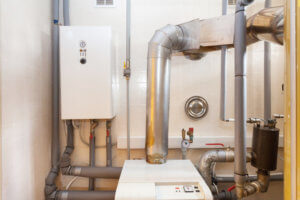 Did you know that you should be draining your boiler at least once a year? Check out this step-by-step guide to get you started.
Even though boilers have been around since the late 1700s, many homeowners don’t know how to care for theirs properly.
Boiler sludge compromises a boiler system’s reliability. Draining your hot water boiler system is the only way to eliminate sludge buildup, which is why it’s essential to do so often.
How do you drain your hot water boiler, though?
Keep reading for a step-by-step guide detailing how to drain your boiler and hot water heater.
Step 1: Do a Quick Flush
Before you shut off your boiler or water heater, it’s a good idea to perform a quick flush. This will blow out any sediment that’s stuck in the boiler’s valve. As a result, the tank will drain faster.
Take a garden hose and connect it to the drain valve. While the boiler’s water pressure is still on, try to flush the water heater tank slightly.
You can do so by opening the drain valve for a few seconds and then closing it again. The pressure of doing so should push out any sediment that is stuck in the valve.
If a significant amount of sediment blows out, you can repeat this quick flush 1 or 2 more times.
Step 2: Turn off Your System
Before you begin draining the water from your gas or electric boiler, turn it off. If it’s gas, shut off the gas, and if it’s electric, shut off the power.
Then, using the valve in the cold-water pipe above the water heater or using the main water supply valve, shut off the water. You can test the water faucets in your home to ensure the pressure is off. Turn them on and check for hot water.
Before you take the next step, make sure the pipes completely cool down.
Step 3: Open the Drain Valve and Flush the Tank With Water
Attach a drain hose and open up the boiler’s drain valve. It’s not going to drain as much until you release the tank’s vacuum.
To release the vacuum, take away one end of the hot water pipe that’s above the water heater and then pull it slightly to the side. This will allow air into the tank, and then the water can begin to flow out of the drain.
When the tank finishes draining, flush it in increments.
Let in a few gallons of water at a time by turning on the water for a few seconds and then allowing it to drain out. While you do so, leave the hot water pipe disconnected the entire time. When you’re done flushing, you can put it back into place before refilling your tank.
Step 4: Refill Your Hot Water Heater
Once your boiler has been drained and flushed, it’s time to refill it. First, disconnect the drain hose and shut off the drain valve. Don’t forget to reconnect your hot water pipe, ensuring it’s tightly back in place.
At this point, turn the water back on to your water heater, either through the boiler valve or the main valve. Then, turn on the hot side of a faucet in your home (the bathtub is best). Leave the water running until all the air has exited the lines and all you’re getting is hot water coming out of the faucet.
Then, turn off the faucet.
Step 5: Relight the Water Heater and Check the Drain Valve
If your boiler is electric, turn the power back on. If it’s gas, relight the water heater pilot. Once you’ve completed this step, you should have hot water again within the hour.
Check your drain valve to make sure it’s completely closed. Look for leaks at the spout. If it hasn’t closed completely, put a cap over the hose thread of the drain outlet to prevent leaking. Or, you can opt to replace the valve entirely.
Things to Remember
Before you begin draining your boiler, be mindful that there’s always a risk of leaking after it drains. Sometimes the drain valve won’t close completely after the boiler is drained, especially if it’s been sitting for 6 months to a year or even longer.
Be prepared by getting a cap beforehand in case it won’t close completely, so you’re ready to put a cap over the valve if need be. If the valve is made of plastic, you might want to upgrade it completely before turning your water back on.
Most professionals and boiler manufacturers recommend draining AT LEAST every 6 to 12 months. Doing so removes any sediment or other buildup that collects on the bottom of your hot water tank.
As the boiler sludge collects, your boiler must work harder to heat water, which wastes energy and costs more money. Avoid these potential issues by performing regular maintenance on your boiler. Maintaining your boiler can extend its life 15 years.
Take Care of Your Boiler System
Opting to take care of your boiler system will save you time and money in the long run and could prevent a plumbing emergency. Making sure you drain your hot water heater at least every 6 to 12 months is an essential component of proper hot water boiler service.
It’s not difficult to do on your own, but it’s important to be well prepared beforehand. Following all the steps listed above will ensure best results for DIY boiler maintenance.
Do you need help draining your boiler or don’t have time to do it yourself? Contact us at (402) 731-2727 for any questions or to set up a consultation!